
Chris Langeveldt, Creative Director and Founder of Lekker Web Design

Chris Langeveldt

Creative director and founder.

Why your website’s user experience is its greatest asset

A bad user experience doesn't just frustrate visitors — it costs you money. Here's why UX is the one thing you can't afford to get wrong.

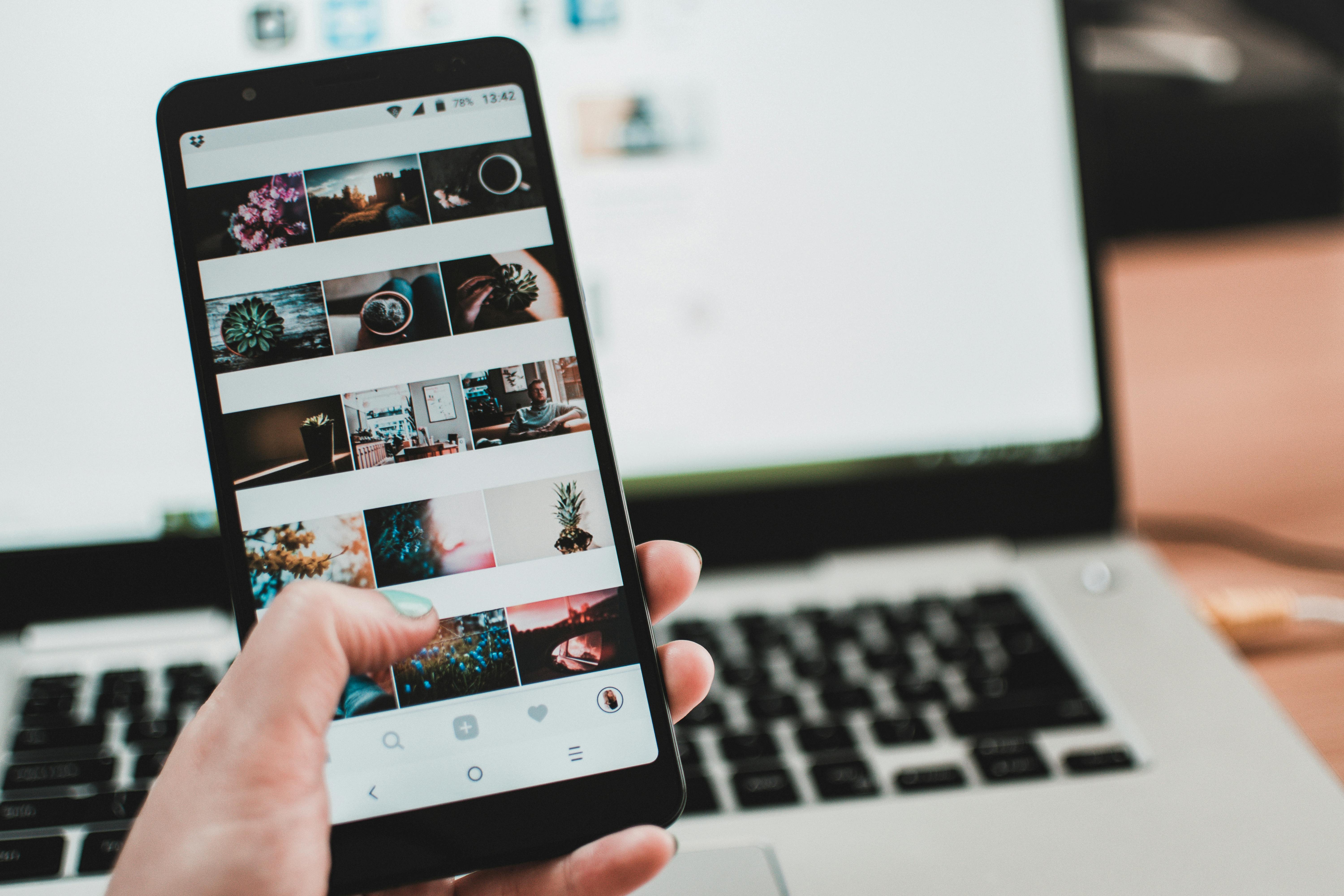
woman holding a mobile phone
Chris Langeveldt, Creative Director and Founder of Lekker Web Design

Chris Langeveldt

Creative director and founder.

Why your website’s user experience is its greatest asset

A bad user experience doesn't just frustrate visitors — it costs you money. Here's why UX is the one thing you can't afford to get wrong.

woman holding a mobile phone

Most businesses obsess over how their website looks. Almost none ask how it feels to use. That's the gap where you're losing clients — and your competitors are picking them up.

User experience isn't a design trend. It's the difference between a site that converts and one that just exists. Every click, every scroll, every second of load time either builds trust or destroys it.
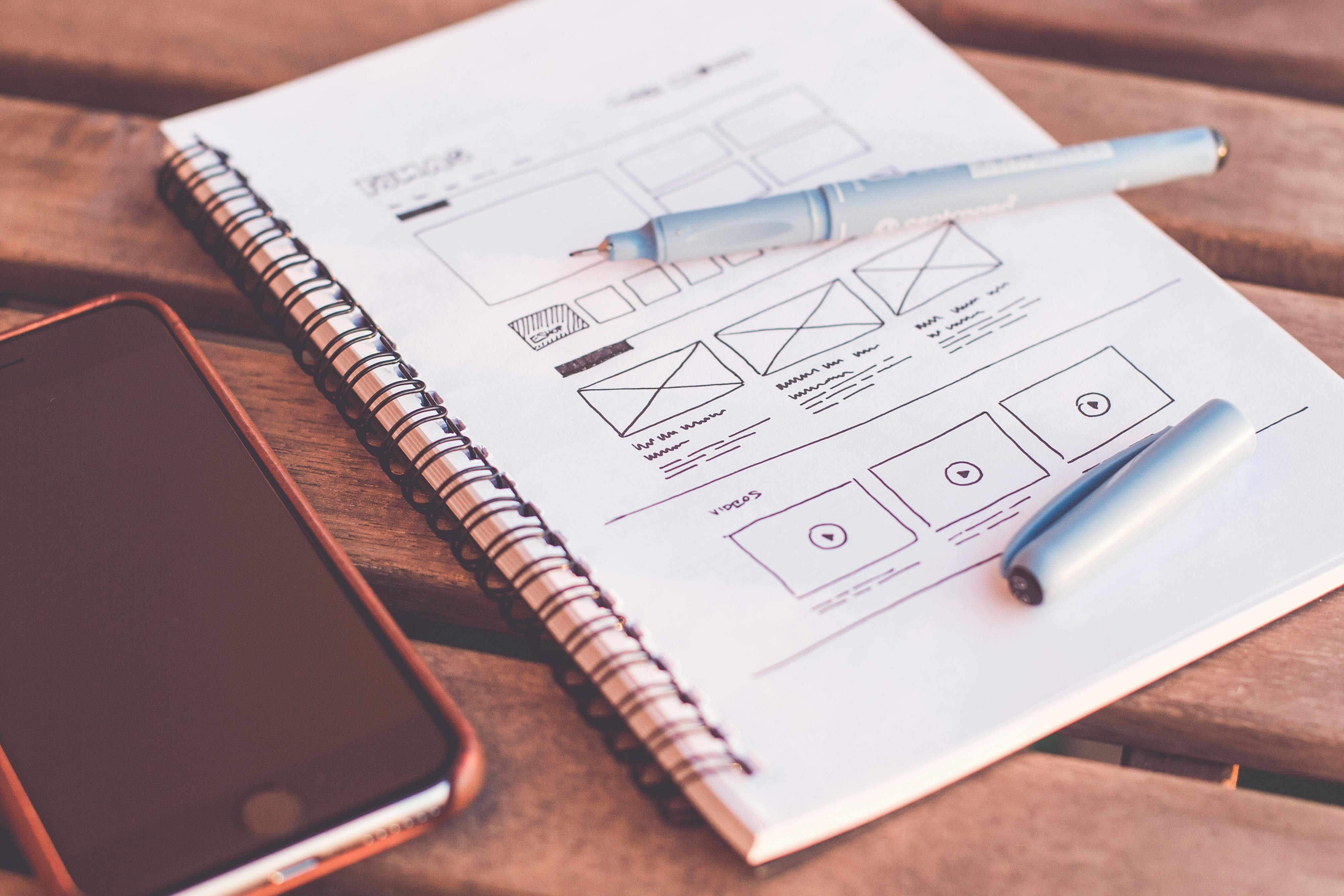
A notebook with notes, a pen, and a smartphone on a wooden surface.

Your website has about 3 seconds to prove it's worth staying on

That's not a metaphor. Research consistently shows that most visitors form a judgment about your site within the first few seconds. If the layout is confusing, the text is hard to read, or the page takes too long to load — they leave. No second chances.

And here's the part most business owners miss: they don't leave because your site is ugly. They leave because it's difficult.

What user experience actually means (and what it doesn't)

UX isn't about making things pretty. It's about removing friction. Every time a visitor has to think about where to click, squint to read something, or wait for a page to load — that's friction. And friction kills conversions.

Good UX means your visitor lands on the page, immediately understands what you do, sees a clear reason to trust you, and knows exactly what to do next. That's it. No mystery, no confusion, no dead ends.

The signs your UX is costing you business

You might not realize your site has a UX problem because it looks fine on your screen. But look for these red flags: high bounce rates on your homepage, visitors not making it past the first scroll, contact forms that never get filled in, or mobile visitors leaving twice as fast as desktop ones.

These aren't traffic problems. They're experience problems. The people are arriving — they're just not staying.

Speed is a UX decision, not a technical one

A site that takes 4 seconds to load has already lost nearly half its visitors. Page speed isn't just a Google ranking factor — it's the very first experience someone has with your brand. If your site loads slowly, the visitor's brain has already filed you under "unprofessional" before a single word appears.

Every image, animation, and script on your site should earn its place. If it doesn't serve the visitor, it's slowing them down.

Mobile isn't optional — it's where most of your traffic lives

Over 60% of web traffic in South Africa comes from mobile devices. If your site isn't built mobile-first, you're designing for the minority and frustrating the majority. That means tap targets big enough to hit, text that's readable without zooming, and navigation that works with a thumb — not a mouse.

The bottom line

Your website's job isn't to impress designers. It's to make it effortless for a stranger to understand your value, trust your credibility, and take the next step. That's user experience. And every rand you invest in getting it right pays back in clients who actually convert instead of bouncing to your competitor.

Not sure where your site stands? Get in touch and we'll take a look — no obligation.

Most businesses obsess over how their website looks. Almost none ask how it feels to use. That's the gap where you're losing clients — and your competitors are picking them up.

User experience isn't a design trend. It's the difference between a site that converts and one that just exists. Every click, every scroll, every second of load time either builds trust or destroys it.

A notebook with notes, a pen, and a smartphone on a wooden surface.

Your website has about 3 seconds to prove it's worth staying on

That's not a metaphor. Research consistently shows that most visitors form a judgment about your site within the first few seconds. If the layout is confusing, the text is hard to read, or the page takes too long to load — they leave. No second chances.

And here's the part most business owners miss: they don't leave because your site is ugly. They leave because it's difficult.

What user experience actually means (and what it doesn't)

UX isn't about making things pretty. It's about removing friction. Every time a visitor has to think about where to click, squint to read something, or wait for a page to load — that's friction. And friction kills conversions.

Good UX means your visitor lands on the page, immediately understands what you do, sees a clear reason to trust you, and knows exactly what to do next. That's it. No mystery, no confusion, no dead ends.

The signs your UX is costing you business

You might not realize your site has a UX problem because it looks fine on your screen. But look for these red flags: high bounce rates on your homepage, visitors not making it past the first scroll, contact forms that never get filled in, or mobile visitors leaving twice as fast as desktop ones.

These aren't traffic problems. They're experience problems. The people are arriving — they're just not staying.

Speed is a UX decision, not a technical one

A site that takes 4 seconds to load has already lost nearly half its visitors. Page speed isn't just a Google ranking factor — it's the very first experience someone has with your brand. If your site loads slowly, the visitor's brain has already filed you under "unprofessional" before a single word appears.

Every image, animation, and script on your site should earn its place. If it doesn't serve the visitor, it's slowing them down.

Mobile isn't optional — it's where most of your traffic lives

Over 60% of web traffic in South Africa comes from mobile devices. If your site isn't built mobile-first, you're designing for the minority and frustrating the majority. That means tap targets big enough to hit, text that's readable without zooming, and navigation that works with a thumb — not a mouse.

The bottom line

Your website's job isn't to impress designers. It's to make it effortless for a stranger to understand your value, trust your credibility, and take the next step. That's user experience. And every rand you invest in getting it right pays back in clients who actually convert instead of bouncing to your competitor.

Not sure where your site stands? Get in touch and we'll take a look — no obligation.

Let’s bring your vision to life

I am here to ensure your experience with us is smooth and successful. Reach out anytime — I am here to make sure you feel confident and supported throughout your journey with us.

Person smiles wearing a bunny hat with glasses.

Chris. L

Contact us

Let’s bring your vision to life

I am here to ensure your experience with us is smooth and successful. Reach out anytime — I am here to make sure you feel confident and supported throughout your journey with us.

Person smiles wearing a bunny hat with glasses.

Chris. L

Contact us

Let’s bring your vision to life

I am here to ensure your experience with us is smooth and successful. Reach out anytime — I am here to make sure you feel confident and supported throughout your journey with us.

Person smiles wearing a bunny hat with glasses.

Chris. L

Contact us